 |
 |
 |
 |
 |
 |
 |
 |
 |
|||
 |
 |
|
|||||||
 |
|||||||
 |
|||||||
 |
|||||||
 |
|||||||
|
|||||||






|
||||||
 |
||||||
 |
||||||
 |
||||||
|






 |
 |
 |
 |
 |
 |
 |
ford mechanical protection plan explained clearlyI prefer predictable costs over surprise bills, so I want clear terms before I sign anything. If you feel the same, understanding what's covered, what's not, and how to choose the right level can make the decision far easier. What it isA ford mechanical protection plan is typically an extended-service contract - often under Ford Protect or a similarly administered program - that helps pay for covered repairs after the factory warranty ends. Names and bundles vary by dealer and region, but the idea is consistent: reduce the risk of a big repair derailing your budget.
What it usually doesn't cover
Why consider itOne major out-of-warranty repair can exceed the plan's price. If your emergency fund is thin - or you just dislike uncertainty - coverage can cap the downside. I'm cautious by nature, and I'd rather set a known deductible than gamble on a four-figure bill. A quick real-world momentOn a Saturday drive, a friend's four-year-old Escape chimed and the temp gauge climbed. The shop traced it to a failed cooling fan module. The plan arranged a tow, covered parts and labor after a small deductible, and rental reimbursement kept the weekend plans intact. Not glamorous - just quietly helpful. How to choose a plan confidently
Costs and valuePricing depends on vehicle, mileage, term, plan level, and deductible. I can't predict your exact quote, but I look at how long I'll keep the car, my tolerance for uncertainty, and whether the contract is comprehensive enough to matter. If I'll own the vehicle well past the basic warranty and it's packed with complex systems, stronger coverage often pencils out. If I trade early or maintain a robust repair fund, I might skip it. Using the coverageTake the vehicle to an authorized dealer or approved shop. They diagnose, obtain authorization, and complete the repair. You pay the deductible and any non-covered items. Keep maintenance records - proof of proper service prevents headaches. Roadside assistance and rental instructions are typically on the contract or membership card. Fine print that matters
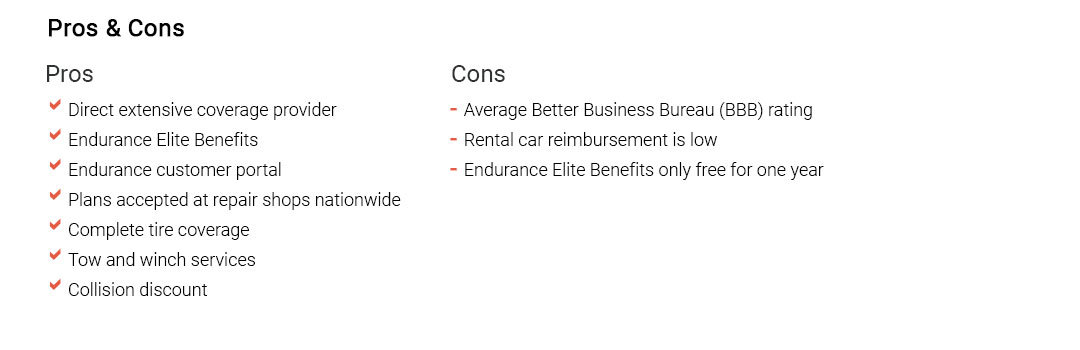
Quick pros and cons
Bottom lineMy risk-averse take: the ford mechanical protection plan can be a smart hedge if the quote is fair, the administrator is reputable, and you'll keep the car well beyond its basic warranty. If the numbers don't add up - or you're comfortable self-insuring - skip it. Either way, decide with the actual contract in hand, not a brochure, and choose the option that lets you drive with calm, not crossed fingers.
Main Topic:
Car Protection Plans
https://www.mpp.com/pdfs/brochures/MPPPlatinumCareEliteBrochure.pdf
We are the Mechanical Protection Plan (MPP). Your trusted driving companion since 1979. *This brochure gives a general overview of the coverage and ... https://www.reddit.com/r/FordBronco/comments/16nsl6r/does_anyone_have_the_mpp_mechanical_protection/
Didn't realize my dealer sold me a plan for $4,800 when I got my vehicle. Long story short, my windshield crack and it does not cover ... https://www.grapevineford.com/mpp-quality-checked.htm?srsltid=AfmBOopbN3WjIIxt1BixLKmlY2szJvTgFDWjmC0bjQJTafJkqdOtp3u5
DURATION. Three months from the Limited Warranty Effective Date or when the odometer has registered 3,000 miles from that shown on the Limited Warranty ...
|
